HTVRont: Heat Press and Vinyl Solutions for DIY Crafters
By
/
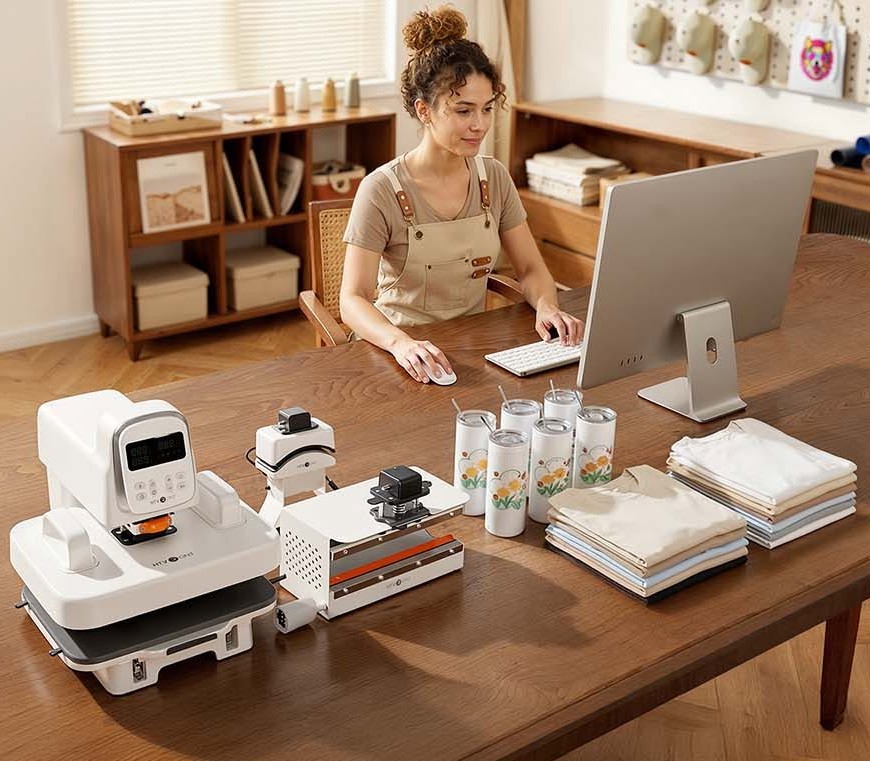
HTVRont builds a full ecosystem for heat transfer projects, from entry-level vinyl rolls to automated presses and DTF printers, so crafters do not need to shop across multiple suppliers. The brand backs every machine with a 30-day return guarantee and free shipping over a set order threshold, a policy detail that signals confidence in build quality. This roundup covers four HTVRont products worth considering, from a budget-friendly puff vinyl roll to the brand's flagship DTF printer.
✅ Creates raised, textured designs that feel embossed to the touch
✅ Cuts cleanly on standard home cutting machines without special blades
✅ Withstands repeated washing without cracking or peeling
✅ Works on cotton and cotton-blend garments without pre-treatment
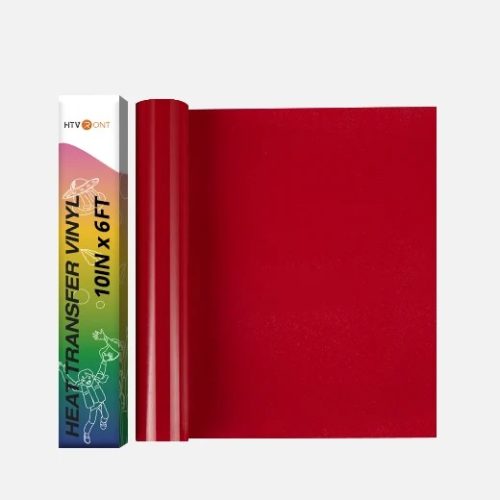
This puff HTV roll measures 10 inches by 6 feet and expands under heat to form a 3D, foam-like texture on fabric, a popular choice for varsity-style lettering and logo work. It suits crafters making custom t-shirts, hoodies, or team apparel who want a dimensional finish without embroidery costs. Beginners tend to appreciate the forgiving application window, since the vinyl tolerates minor temperature or timing variance better than standard HTV. Reviewers generally note strong puff height retention after multiple wash cycles, though very intricate, small-text designs can lose some detail as the material expands.
Highlights:
Roll size: 10" x 6ft
Puff expansion activates during heat application, not before
Compatible with home heat presses and household irons
✅ Cuts setup time with auto-open and preset heating functions
✅ Reduces the learning curve for first-time heat press users
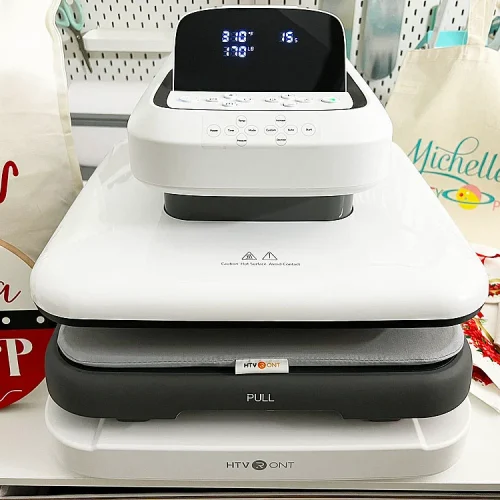
The A100 is an auto multi heat press designed for versatility, accommodating flat garments and other blank types without requiring separate specialized presses. Its automatic pressure and timing controls aim to remove guesswork, which benefits small business owners producing multiple items per day as well as hobbyists just starting out. The auto-open mechanism signals when a press cycle finishes, helping prevent scorching from over-pressing. General feedback points to reliable heat distribution across the plate, though the unit's footprint requires a dedicated workspace rather than a small craft table. It sits in HTVRont's mid-tier lineup, above the compact H10 press but below the multi-surface bundles.
Highlights:
Auto-open and auto-release functionality
Multi-surface compatibility (garments, bags, and more)
Digital temperature and timer controls
Positioned within HTVRont's "Auto Multi Heat Press" product line
✅ Produces vibrant, photo-quality color transfers on polyester and coated blanks
✅ Prevents smudging and ghosting during the pressing stage
✅ Works reliably across multiple inkjet printer brands
✅ Stretches project budgets further with a 150-sheet bulk count
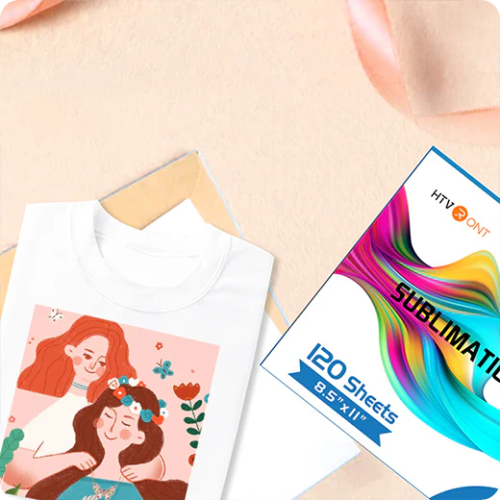
This sublimation paper ships in a 150-sheet pack and is available in four size options (A4, 8.5×11, 11×17, and 8.5×14 inches), giving buyers flexibility for different printer setups and project scales. It is built for inkjet printers using sublimation ink, transferring dye onto polyester fabric, mugs, tumblers, and other coated hard-surface blanks. Small business owners producing mugs or apparel in batches benefit most from the bulk sheet count, since it reduces per-unit paper cost compared to smaller packs. Users commonly report crisp color transfer and minimal ink bleed when paired with a properly calibrated printer, though results depend heavily on printer settings and ink compatibility. Note that sublimation requires polyester or polymer-coated surfaces, not plain cotton.
Highlights:
150 sheets per pack
Available in four sizes: A4, 8.5×11, 11×17, 8.5×14
Compatible with standard inkjet printers using sublimation ink
Designed for use with HTVRont and third-party heat presses
Suited for polyester fabric and coated hard-surface blanks
✅ Enables full-color, photo-realistic prints on cotton, polyester, and blends alike
✅ Removes the fabric-type restrictions common with standard HTV or sublimation
✅ Supports small-batch and on-demand production without minimum order runs
✅ Reduces reliance on outsourced printing for custom apparel businesses
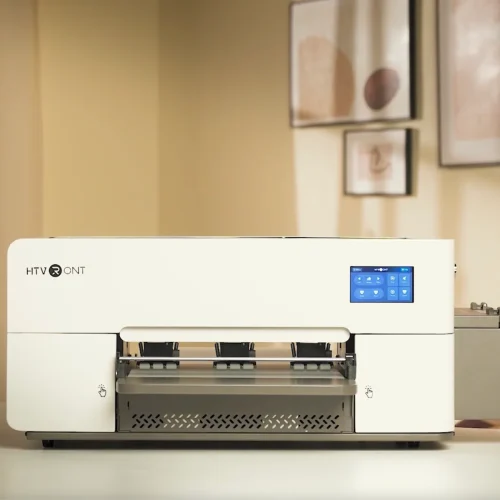
The D2 is HTVRont’s DTF (direct-to-film) printer, positioned as a step up from the brand’s larger D1 model, aimed at small business owners and print shops scaling beyond basic HTV cutting. DTF technology prints designs onto a film that is then heat-transferred to virtually any fabric type, cotton included, unlike sublimation which is limited to polyester and coated surfaces. This makes the D2 a fit for businesses producing mixed-fabric orders like dark cotton tees, denim, or blended fleece. Feedback on DTF printers in this category generally highlights color vibrancy and fabric versatility as the main draw, while the upfront investment and ongoing ink costs are the primary consideration for buyers still testing product-market fit before committing.
Highlights:
Direct-to-film (DTF) printing technology
Compatible with cotton, polyester, and blended fabrics
Positioned below the HTVRONT D1 DTF Printer in the brand’s lineup
Suited for small-batch and on-demand production runs
Backed by HTVRont’s standard return policy
FinalThoughts
Buyers just starting out should consider the puff HTV roll or sublimation paper first, both under $20, to test design ideas before investing in a press. Those already running a small print-on-demand shop will get more mileage from the A100 press or the D2 DTF printer, since both are built for repeat, higher-volume output rather than one-off projects. Anyone without a dedicated workspace or steady order volume may want to start smaller and scale into the machines as demand grows.